Pages

Showing posts with label 2019 term 3. Show all posts

Thursday, August 22, 2019

Maori Hangi

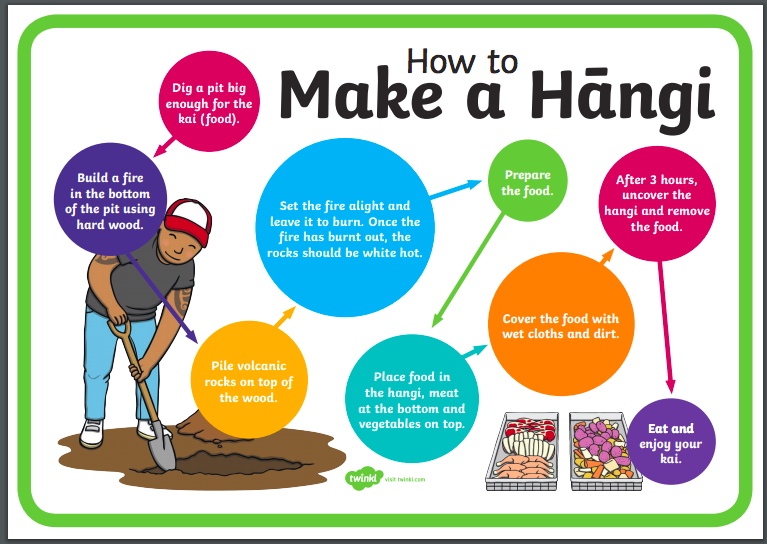
This week for Maori we were looking at how to make a hangi.we made a diagram on how to make a hangi. The second diagram is the diagram we had to copy and the first diagram is me Hope and Addyson. I also have a video. The video is a timelapse of them making a hangi    


 Here is the video of the hangi 
↓↓


Wednesday, August 21, 2019

Gym Sports

Today was C.I.P for C.I.P I was in gym spots. for gym sports, we played multi-sports. How multi-sports works is you have two teams. The referee will call out a sport and a number. he says basketball 3. The sport you'll be playing is basketball and 3 people run and play. the winning team for that round is the team that gets a goal in first. 

Thursday, August 8, 2019

water cycle

AIM: TO LOOK AT THE WATER CYCLE AND HOW CLIMATE CHANGE IS AFFECTING IT.

Definition:

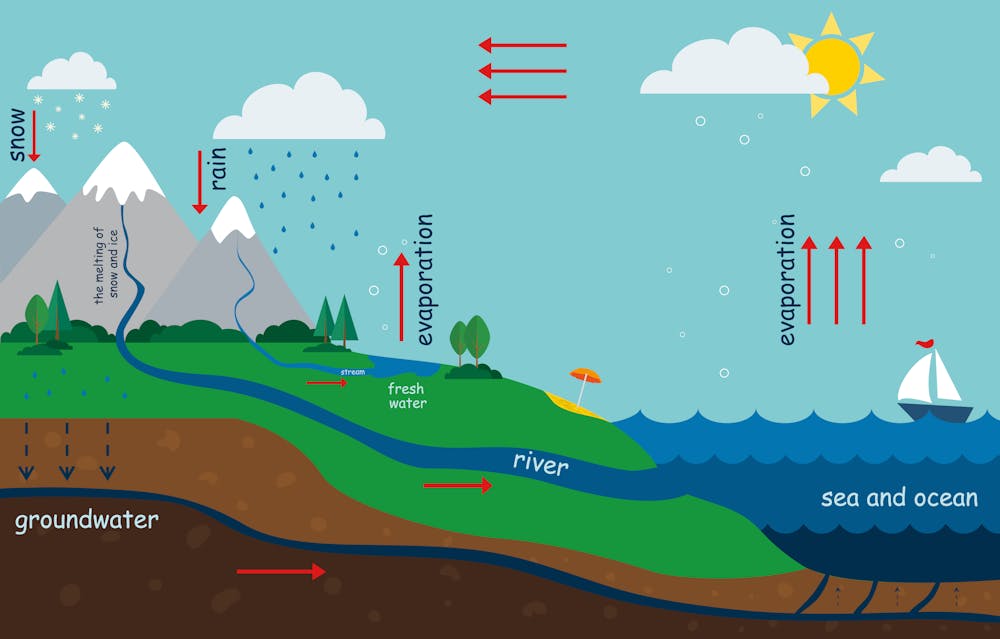
The water cycle is continuous water going from the sea to sky to the land and back to the sea


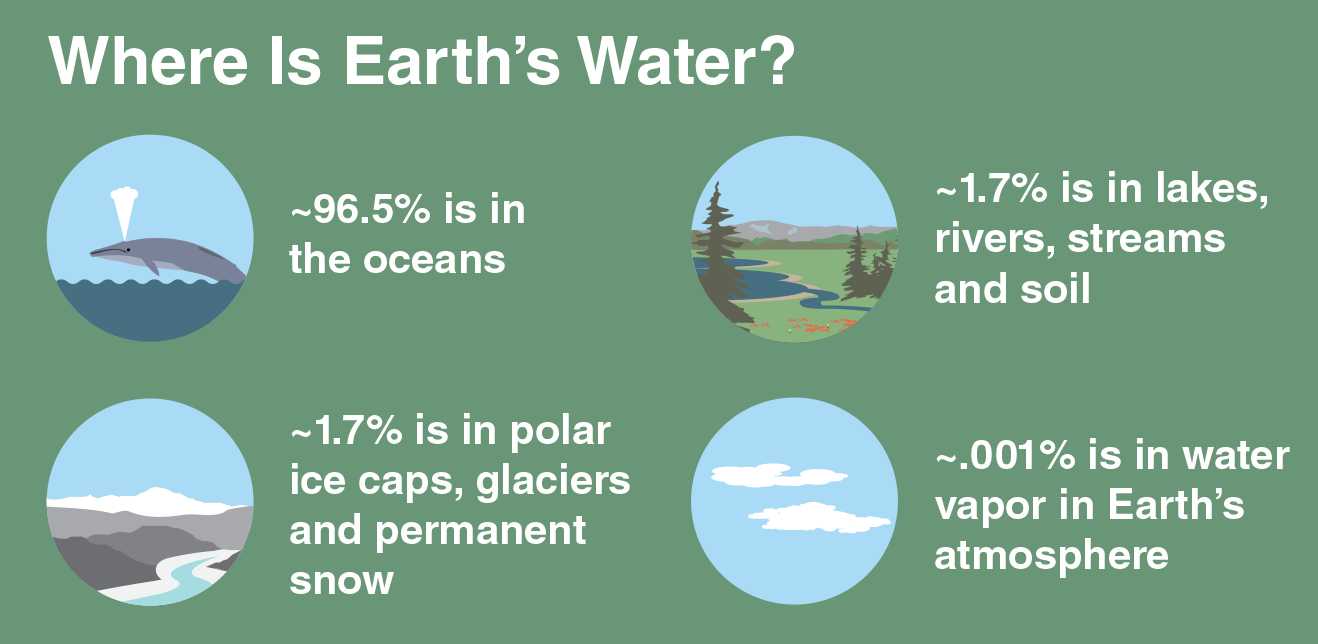
A green box with icons and white text. Text reads: Where is Earth's Water? 96.5 percent is in the oceans; 1.7 percent is in lakes, rivers, streams, and soil; 1.7 percent is in polar ice caps, glaciers, and permanent snow; 0.001 percent is in water vapor in Earth's atmosphere
Scientific words:


Evaporation. When water is heated by radiant energy it turns into water vapour.
  • Transpiration. Evaporation from plants.
  • Condensation. When water vapour cools, molecules join together and form clouds.
  • Precipitation. When clouds get heavy the waters falls as rain, sleet, hail, or snow.
  • Acidification: the action or process of making or becoming acidic.

We will be conducting an experiment that looks at the different ways that climate change is affecting the water cycle.

THE WATER CYCLE EXPERIMENT

Bag 1: Normal Water cycle
Bag 2: Water cycle with CO2 added: like Oceans in climate change
Bag 3: Water cycle with ice added: like Antarctica in climate change

Material:

  1. Ziploc bag  
  2. Vivid market 
  3. 1 cup of water 
  4. 2 drop of food colouring  

Steps:

  1. get into a group of 3
  2. get materials 
  3.  the water cycle on Ziploc bag
  4.  get 2 drops of blue food colouring
  5.  add 1 cup of water
  6. tape the Ziploc bag on a window with lots of sun sring on it

Two Images:
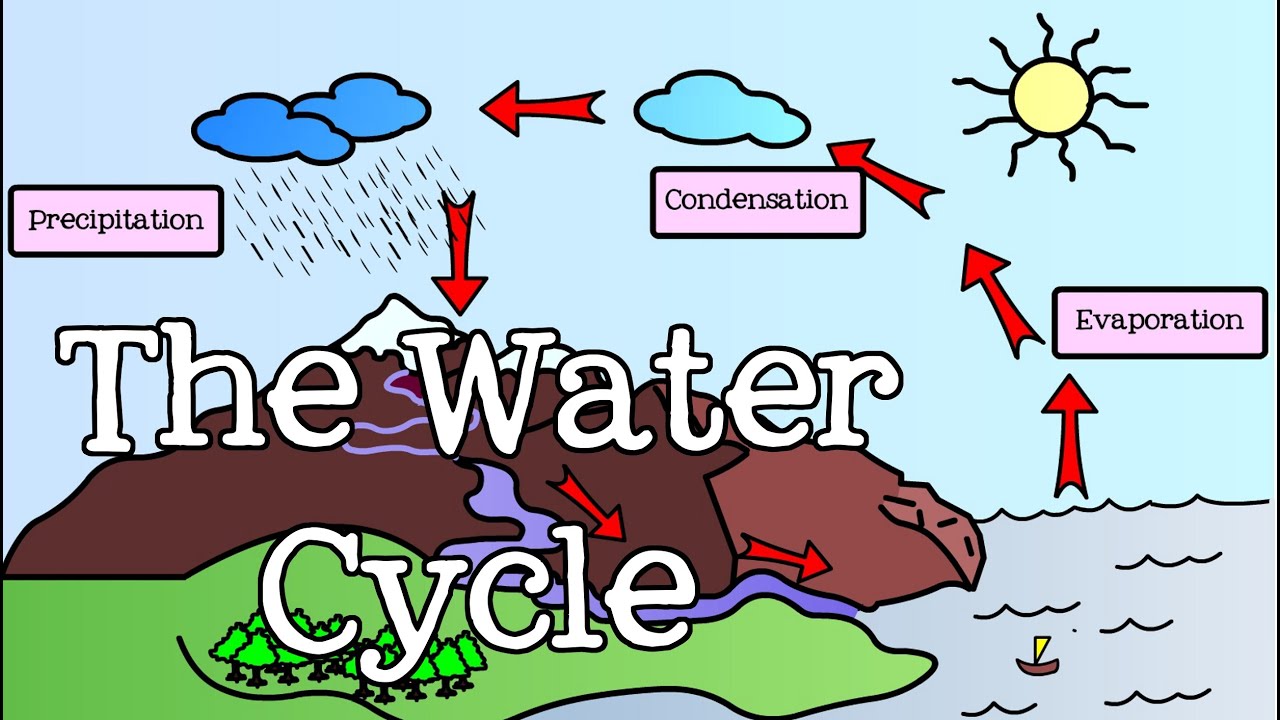
Image result for water cycle for kids


Image result for water cycle for kids


The Water Cycle: Bag 1
CO2 Water Cycle: Bag 2
Acid
Desert Water Cycle
Bag 3
Does it cycle?
YesYesYes
Amount of Water
222
Acidity
121
Key: Water and acidity amount: 1 = none 
2 = small drips
3 = large drips


Other comments:

Bag 1 :
1: the water cycle in bag 1 had no acidity
2: the water  cycle  does cycle
3: the water cycle in bag 1 has little drops of water  
Bag 2 : 
1: the water cycle in  bag 2 has acidity
2: the water  cycle in bag 2   does cycle
3: the water cycle in bag 2 has little drops of water
Bag 3 :
1: the water cycle in  bag 3 has  no acidity
2: the water  cycle in bag 3   does cycle
3: the water cycle in bag 3 has little drops of water

in all three bags, there are little drops of water and the water cycle is going. 


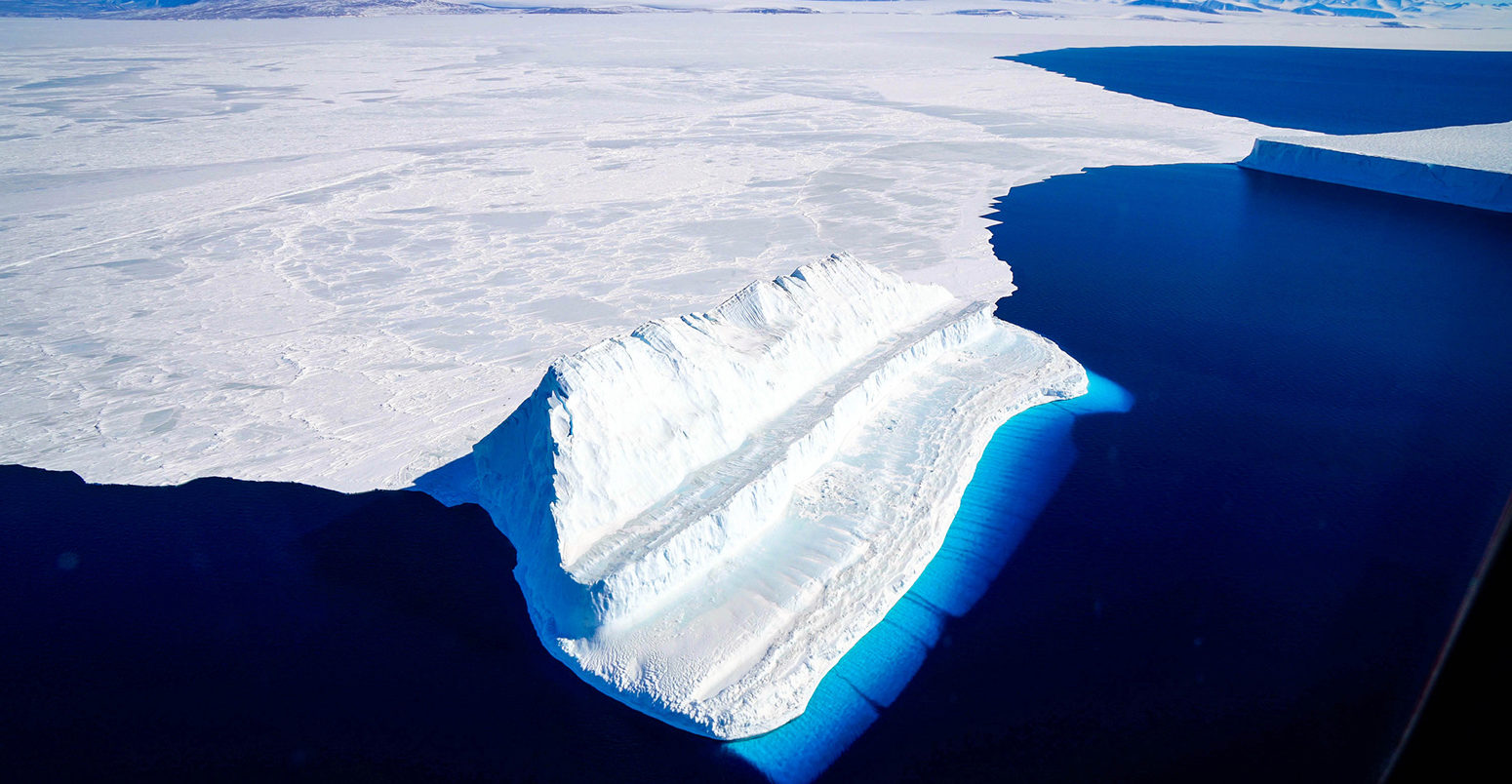
Icecap melt.
 the ice there is getting thinner and melting smaller, and cracking, which is destroying the habit of all the animals and people that live there. Also, the increased amount of melted ice is causing the ocean levels to rise about 23 feet! 

Climate change:
The mass of the ice sheet has begun to decline
Image result for definition of Ice cap melt.for kids


Solar Energy Science Hurumanu


Solar Energy

Catching the sun movie


Materials:


  1.  4 cups
  2.  water
  3. tinfoil 
  4.  2 sheets of white paper
  5.  1 sheet black paper
  6. thermometer
  7. one large Cup
  8. 1 Heat lamp

Steps

  1. get the materials that you need   
  2.  full the small cups with water
  3.  put the cops on the papers equally
  4.  put the large Cup on one of the small caps on the white paper
  5.   get the heat lamps and shine him on the cups
  6. measure the temperature 

Which surface conducts/attracts the most heat? Cup 3 Black paper


Time +
temperature
Cup 1
White paper
Cup 2
White paper+ plastic.
Cup 3
Black paper
Cup 4
Tinfoil
0
15131213
15 minutes
15131213
40 minutes
17162422
15 minutes
18172322


Conclusion

after getting set up we left the cups for 15 minutes in the heat lamp and then we checked the temperature of it. After lunch, we came back and check the temperature for 40 minutes then we took the heat lamp off. waited 15 minutes then checked the temperature.on a couple one and cut into the temperatures both went up when the cups black paper and return Fluval both went down.